Ask the wearer to lift an arm. A sleeve that looked effortless on a hanger may pull at the shoulder; a line that seemed severe may become graceful as the body turns. The fitting room reveals a garment's argument more honestly than a still photograph.
The Victoria and Albert Museum records how Gabrielle Chanel studied fabric on the figure and asked models to move. She was testing the relationship between cut and use. It remains the right question for a wardrobe in which a person must walk, sit and reach throughout the day.
Test the cut
At the shoulder, a few millimetres can change the feeling of a whole jacket. A fastening determines whether dressing is simple or fussy. A hem chooses where the eye stops, but it must also allow a stride. These details are the grammar of cut: unobtrusive when resolved, immediately legible when they resist the wearer.
A shoulder line, seam or fastening may seem minor until it interrupts an ordinary action. Conversely, a well-judged piece can feel quiet in use. It does not demand constant readjustment. The wearer's attention can stay with the day rather than the garment.
What movement reveals
The V&A's account of Chanel describes a method rather than a slogan. She worked on the figure and watched what happened when models moved. The result was not a rejection of form. It was an attempt to make line, ease and adornment coexist. A garment could look composed while allowing its wearer to walk, work and sit without feeling held in place. That is a more useful account of elegance than a still image alone can give.
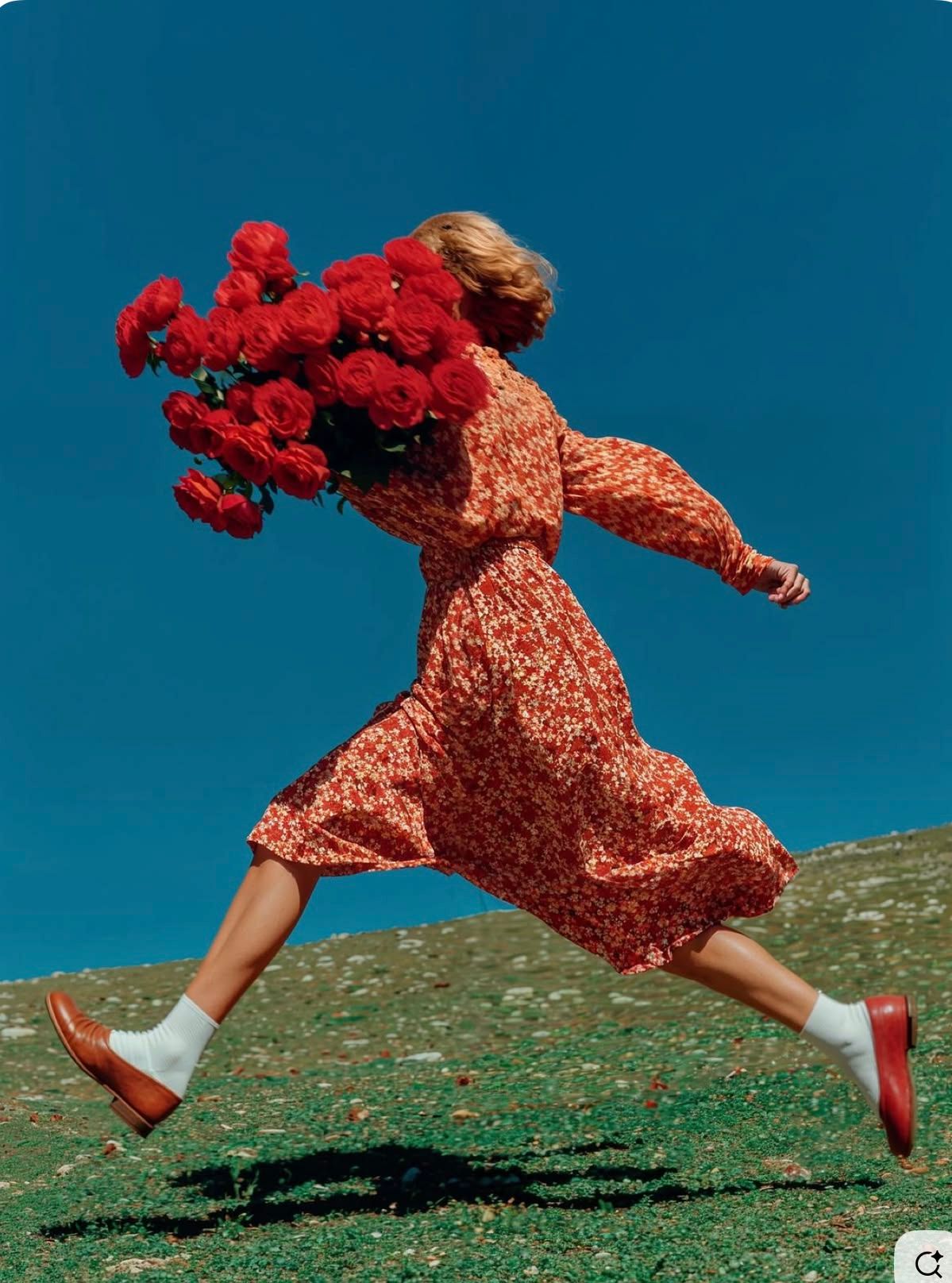
Stand still and a dress may seem perfectly proportioned. Take a few steps and the hem may pull; lift an arm and the sleeve may resist. Movement turns an abstract judgment into a practical one about how cloth, cut and body cooperate. It also reveals where a design has been built around an imagined posture rather than a person who will spend the day moving through rooms, streets and conversations.
In Singapore, the test becomes more exact. Clothes move between humid outdoor air and cooled interiors. A piece should be judged after a walk as well as before one, and after sitting as well as standing. The city's climate does not prescribe one fabric or silhouette for everyone. It does make the wearer's conditions impossible to ignore when deciding what deserves a place in a working wardrobe.
The construction beneath ease
Ease should not be confused with simple construction. The V&A's studies of Balenciaga show how cutting, fabric choice and carefully placed joins could produce apparently effortless shapes. A garment that looks unstructured may rely on precise decisions about where cloth is cut, held and allowed to fall. Those choices become apparent in motion, when a silhouette either retains its intention or becomes inconvenient.
Look at where a seam sits when the wearer turns, whether a fastening can be reached easily and how fabric behaves after someone has been seated. Such details determine whether a garment can take part in an ordinary day instead of asking that day to accommodate it.
Alteration and use
A wardrobe that works in motion can change with its owner. A hem may be altered, a fastening replaced or a seam repaired before a failure becomes a reason to discard the piece. What is possible depends on construction and condition. Continued use tests the relationship between design and life.
Keep what works
The clothes that survive repeated choices often have an ease that was difficult to judge at first sight. They work across more than one mood or setting. They can be cared for, altered when possible and worn without treating every outing as a special occasion.
Beauty remains part of the judgment. Colour and pattern change as cloth moves; a seam reveals whether the form was made for a person or only for a pose. The best final fitting happens after the wearer has forgotten to stand still.
Further reading: V&A on Gabrielle Chanel and clothing for movement; Meteorological Service Singapore on the local climate; V&A on Balenciaga's construction