A horse that accepted the brush yesterday may move away from it today. The change may be small. It still deserves attention before a saddle is lifted or a plan for the morning takes over. Welfare begins with this willingness to interrupt a familiar routine.
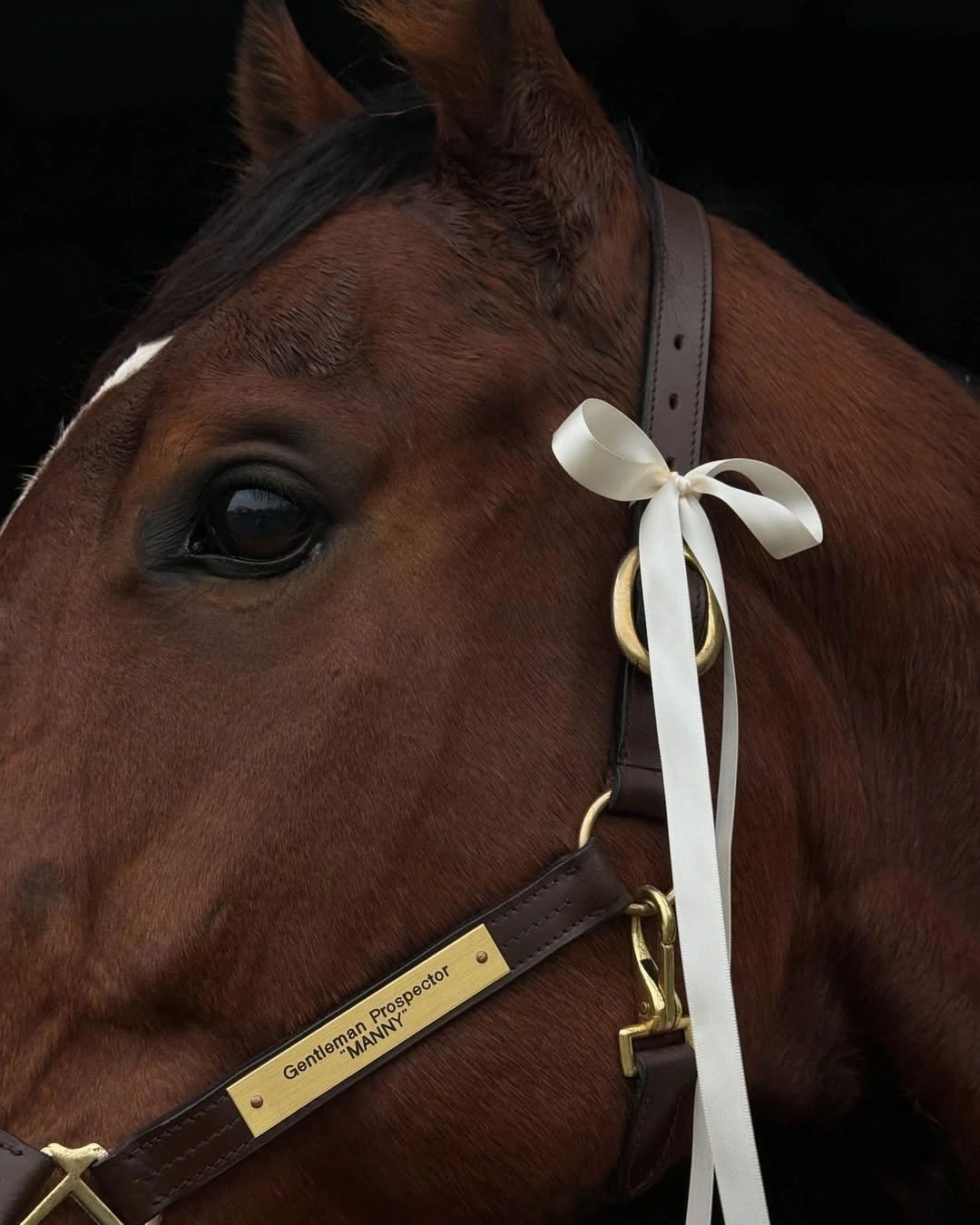
The ribbon and polished coat draw the eye, but neither tells us how the horse spends its day. British Equestrian's welfare guidance asks us to consider conditions outside the arena. The most telling evidence is usually found in the daily routine.
Before the ride
Grooming puts a handler close enough to notice where a horse is comfortable and where it is not. The work is physical and repetitive: brush, check, adjust. It can disclose a tender spot, an unfamiliar reaction or equipment that has begun to rub.
The horse is not an accessory to a sport or a photograph. It has preferences, limits and a life outside the moments a rider shares with it. Respecting that fact alters what counts as skill. A capable person notices what the animal is communicating and adjusts, rather than asking the horse to erase every sign of discomfort.
Five domains, one animal
A horse in a photograph may be beautifully turned out, but appearance is a narrow measure of wellbeing. British Equestrian's Five Domains framework considers nutrition, environment, health, behaviour and mental state together. A clean coat cannot answer questions about opportunities to move, social contact, suitable food or the quality of handling. Those matters are less photogenic than a ribbon, yet they shape the animal's daily experience. They are part of what the public moment rests upon.
The framework also asks for humility. An individual horse's needs change with age, work, health and circumstances. No single gesture proves that a relationship is good. It is a pattern of care, and the willingness to revise it when conditions change, that gives the visible partnership substance. Affection matters, but it cannot replace competent observation or an informed decision to alter the day's plan.
In Singapore, equatorial heat makes shade, water and the timing of work practical questions. Welfare principles remain the same, but the response must suit the particular horse and day. A routine imported from elsewhere needs reconsideration in local conditions.
Notice the change
Familiarity can make a handler more observant, but it can also encourage shortcuts. A horse that normally walks forward promptly may pause; one that accepts a brush may object to touch in a particular area. Such changes are information, not disobedience to dismiss. They may call for a closer check or professional advice, depending on what is seen. The point is not to diagnose from one gesture. It is to notice that the gesture has changed.
This habit turns preparation into more than a sequence of tasks. Grooming, checking equipment and allowing time before work all give a person opportunities to observe. Skill becomes less theatrical and more responsive. The rider asks whether today's plan suits today's horse, even when yesterday's plan worked perfectly well. An animal is not a fixed instrument awaiting the same instruction at the same hour.
Talk of a bond can make the relationship sound effortless. In practice, a horse depends on people for choices it cannot make for itself: where it lives, how it is handled, when it rests and what work is asked of it. That imbalance gives the human side a particular responsibility. A calm response to hesitation or a decision to stop may reveal more of the partnership than a polished performance ever could.
What good handling leaves behind
Time in the stable can teach a rider the difference between familiarity and assumption. Yesterday's response is no guarantee of today's. The horse may be tired, alert, hesitant or eager; the relationship is renewed in each encounter.
A ribbon may mark an occasion. The less visible achievement is a horse whose needs have been noticed before, during and after it. That work continues when the bridle comes off and the audience has gone.
Further reading: British Equestrian on equine welfare fundamentals; Meteorological Service Singapore on the local climate