Before a plate reaches the table, someone has worked out where it will be set down. Bread is within reach. Water is ready. The meal looks casual because its small logistics have already been solved.
Professional kitchens call this preparation mise en place: ingredients and equipment put in order before service. At a lunch by the water, the same principle works on a domestic scale. It gives the host a better chance to join the conversation instead of running it from the edges.
Before anyone sits down
A menu can be modest and still demand thought. The dish should suit the space in which it is served, the time people may arrive and the hands available to pass it. A host who has solved those questions before guests sit down can attend to appetite and conversation as they develop.
Near the sea, the setting contributes its own pace. Light moves across the table; a breeze changes how long everyone wants to sit. The meal feels generous when it can respond to those conditions rather than fighting them.
Mise en place by the water
Mise en place is often translated as having everything in its place. In professional cooking it is a working discipline: ingredients and equipment are prepared so the kitchen can respond when orders arrive. At a lunch the scale is different, but the principle survives. A host who has considered what can be done beforehand has more attention to give the people arriving at the table. The point is not to create a flawless display; it is to make hospitality possible.
Preparation may mean choosing a dish that can wait a few minutes, knowing where shade will fall or making sure water is within reach. These are not details for guests to applaud. They are conditions that allow a conversation to continue without repeated interruption by problems that could have been anticipated. The work behind ease need not disappear from moral view, even if it recedes from the immediate experience of the meal.
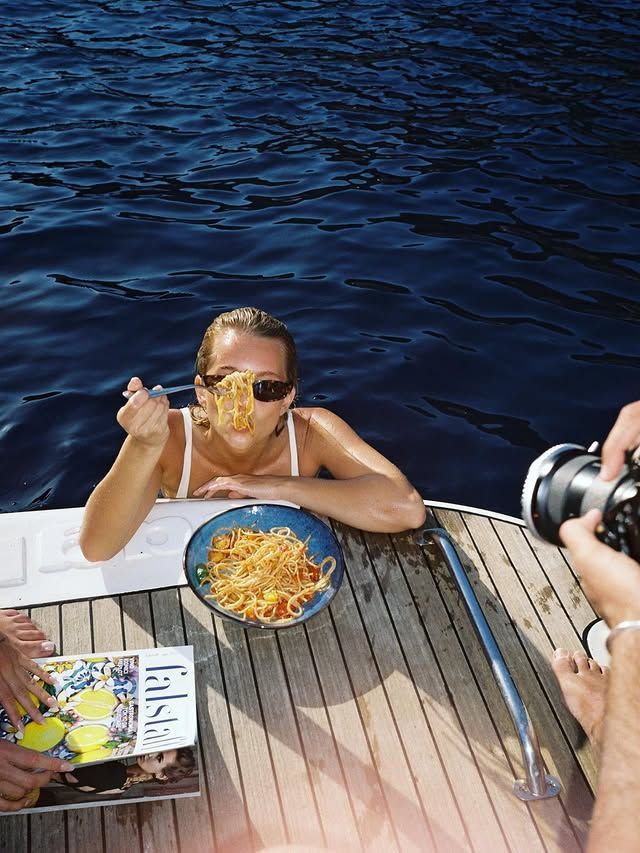
On Singapore waters, a lunch takes its cues from heat, breeze and the possibility of rain. The setting contributes a pace of its own, but it also asks for a plan that can bend. A meal feels generous when shade, timing and a change in weather have been considered without dictating every minute. The people at the table should be able to attend to one another as well as the view.
Food that fits the moment
A meal near the water raises practical questions. What is easy to pass, serve and eat in the space available? What remains appealing if the group gathers later than expected? The answers should come from the setting rather than a fixed idea of what such a lunch ought to look like. A simple dish handled well may be more hospitable than an ambitious one that occupies the host.
This does not reduce food to convenience. The choice of ingredients, the way a plate is shared and the timing of service shape the occasion. The pleasure comes from a fit between meal and moment. People can pay attention to what they are eating because they are not being asked to admire the effort behind it at every turn. Good cooking can be precise while leaving the table relaxed.
A table becomes welcoming when its plan leaves room for an unscripted moment. The place gives the gathering character when people can notice the water, then forget it while a story unfolds.
Good hospitality leaves room for an unscripted moment: another helping, a pause before clearing, a story that takes longer than expected. The point is not to make the labour invisible for its own sake. It is to keep the guests from feeling obliged to follow a programme.
After the plates are cleared, the memorable part may be who stayed for another story. The cooking made that possible. Its precision gave the table enough ease for nobody to notice the minute when lunch became an afternoon.
Further reading: Professional Cooking on mise en place; Meteorological Service Singapore on coastal climate